Source Foldable Cotton Linen Storage Basket for Laundry Hotel Home
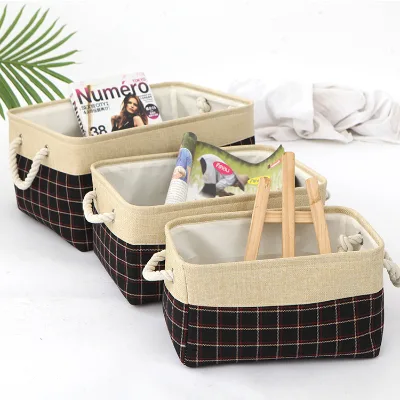
Explore 30 listings for the foldable cotton linen storage basket suitable for laundry, hotel, and home use. Buyers can compare features like eco-friendly materials, custom logo options, and various models including round and rectangular shapes.
Key considerations
Products List


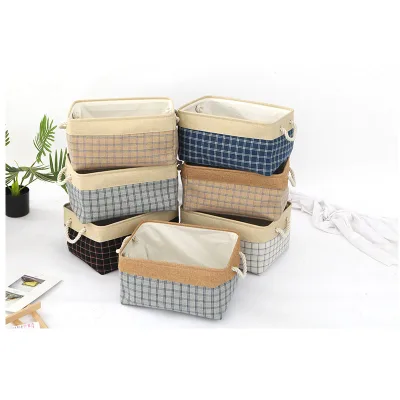
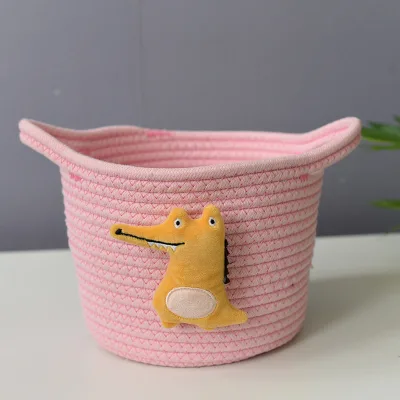


Comprehensive Sourcing Guide
Strategic Sourcing Guide for Foldable Cotton Linen Storage Baskets
Understanding Product Specifications and Material Composition
When sourcing foldable cotton linen storage baskets, the primary objective is to align product specifications with the intended operational environment. The core material composition is a critical differentiator, with the market offering variations ranging from 100% cotton to blended cotton and linen constructions. Buyers must verify the exact fiber ratio, as this dictates the basket's structural integrity, breathability, and aesthetic finish. The observed product attributes indicate a strong emphasis on the "Foldable" style, which is essential for logistics efficiency and storage density when the items are not in use.
The physical dimensions and tolerances are equally vital for inventory planning. While some listings suggest a standard single package size of 31x21x13 cm, others indicate that custom sizes are accepted. This variability requires a rigorous verification process during the initial inquiry phase. Buyers should explicitly request dimensional tolerance data, as observed ranges in the market include tolerances of ±2 cm for general production and tighter tolerances of <±1 mm for high-precision applications. The weight of the unit is another key specification, with observed averages around 0.8 kg per unit and gross weights reaching nearly 3 kg when packaged. Understanding these metrics is crucial for calculating freight costs and warehouse capacity.
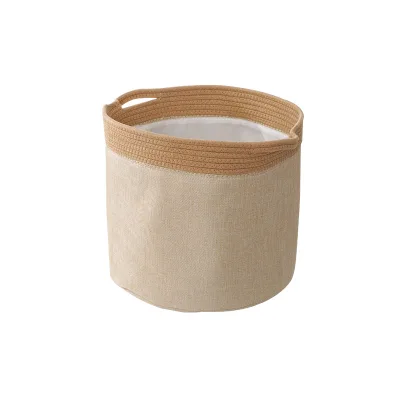
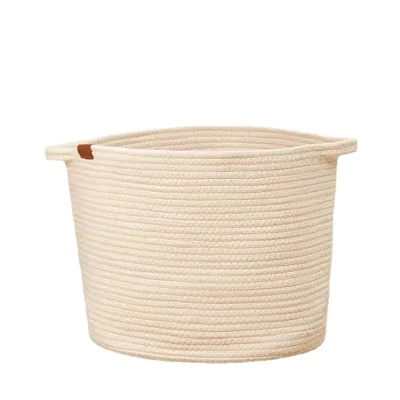
Furthermore, the shape of the basket influences its utility. The market presents both round and rectangular configurations, each serving different storage needs. Rectangular models often maximize space in shelving units, while round variants may offer a softer aesthetic for living spaces. The functional design is frequently described as "Multifunction," suggesting versatility in holding clothing, laundry, or general household items. Buyers should confirm whether the product is designed specifically for "Clothing" storage or general "Storage" use, as this impacts the internal reinforcement required.
Compliance, Certification, and Environmental Standards
In the current B2B landscape, environmental compliance and safety standards are non-negotiable for many procurement teams. The product attributes highlight several advantages such as "Eco-Friendly," "Environment Friendly," and "Sustainable." However, these terms are often marketing descriptors rather than certified statuses. Buyers must demand evidence to support these claims. This includes requesting specific certification documents that verify the organic nature of the cotton or the sustainability of the linen sourcing. Without third-party validation, these claims remain unverified observations.
Safety is another paramount concern. The "Safety" advantage listed in product data suggests that the materials should be free from harmful chemicals, dyes, or finishes that could pose a risk to users, particularly in home or hotel environments. Procurement teams should verify that the manufacturing process adheres to international safety standards for textiles. While specific certification names are not provided in the general data, buyers should inquire about compliance with REACH (Registration, Evaluation, Authorization, and Restriction of Chemicals) for European markets or similar regulatory frameworks in their target regions.
Additionally, the "High Standard" quality attribute implies a baseline for manufacturing consistency. Buyers should ask for quality assurance protocols that the supplier employs to ensure every batch meets these standards. This includes checks for colorfastness, seam strength, and the absence of loose threads or defects that could compromise the basket's durability. The "Handmade" technique noted in some product descriptions adds a layer of complexity to quality control, as manual processes can introduce variability. Therefore, a robust sampling and inspection regime is essential to mitigate the risks associated with artisanal production methods.
Cost Drivers and Pricing Structure Analysis
The pricing structure for foldable cotton linen storage baskets is influenced by a complex interplay of material costs, customization requirements, and order volume. The observed price range in the market spans from $0.99 to $12.59 USD, a significant variance that reflects differences in material quality, size, and branding. Lower-priced items typically utilize standard cotton blends with minimal customization, while higher-priced units often feature premium linen blends, intricate designs, or custom branding.
Customization is a major cost driver. The availability of "Custom Logo" and "OEM Service" options allows buyers to brand the product, but this incurs additional setup and production costs. The extent of customization, such as the complexity of the logo application or the use of specific packaging, will directly impact the unit price. Buyers should also consider the impact of the "Custom Size Accepted" feature. Non-standard dimensions often require retooling or manual adjustments, which can increase the cost per unit compared to standard SKUs.
Order volume plays a decisive role in the final price. The Minimum Order Quantity (MOQ) varies significantly across suppliers, with observed ranges from 200 to 300 pieces, and in some cases extending up to 1000 pieces. Larger orders typically benefit from economies of scale, reducing the per-unit cost. However, buyers must balance the desire for lower unit prices against the capital tied up in inventory. The payment terms, commonly cited as T/T (Telegraphic Transfer), also influence cash flow planning. Buyers should negotiate payment schedules that align with their financial cycles, potentially seeking a split payment structure to mitigate risk.
Typical Applications and Usage Scenarios
The versatility of foldable cotton linen storage baskets makes them suitable for a wide array of applications across different sectors. The primary usage categories identified include "Laundry," "Hotel," and "Home" environments. In residential settings, these baskets serve as stylish storage solutions for clothing, toys, and linens, leveraging their "Foldable" nature to save space when not in use. The "Classic" style and "Multifunctional" design appeal to consumers seeking both utility and aesthetic appeal in their living spaces.
The hospitality industry represents a significant market segment for these products. Hotels utilize foldable laundry baskets for guest rooms and housekeeping departments. The "Eco-Friendly" and "Durable" attributes are particularly valuable in this sector, as they align with sustainability initiatives and reduce the frequency of replacement. The ability to accept a "Customized Logo" allows hotels to brand the baskets with their corporate identity, enhancing the guest experience and brand visibility.
Beyond residential and hospitality uses, these baskets are increasingly found in retail and organizational contexts. Their "Storage" function makes them ideal for organizing inventory in warehouses or for displaying products in boutique stores. The "Handmade" aspect adds a unique value proposition for artisanal or boutique retailers who prioritize craftsmanship. Buyers should assess the specific requirements of their target market to determine the optimal balance between durability, aesthetics, and functionality.
Supplier Evaluation and Verification Protocols
Selecting the right supplier is critical to ensuring product quality and supply chain reliability. The geographic origin of the products is a key factor, with major production hubs identified in Shandong and Guangxi, China. Buyers should verify the supplier's location and assess their logistical capabilities to ensure timely delivery. The observed lead time of 30-45 days for production and delivery is a standard benchmark, but buyers must confirm if this timeline includes shipping or if it is production-only.
Supplier evaluation should extend beyond basic product listings. Buyers must verify the supplier's capacity to handle "OEM Service" and "Custom Logo" requests effectively. This involves assessing their design capabilities, production flexibility, and quality control infrastructure. The "High Standard" claim should be backed by tangible evidence, such as past performance records, client testimonials, or third-party audit reports.
Transparency regarding the production process is essential. For "Handmade" items, buyers should inquire about the training and skill level of the artisans involved. For machine-produced items, they should ask about the machinery used and the maintenance schedules. Additionally, the "Packaging Details" should be scrutinized to ensure that the "Carton" or "Box" packaging is sufficient to protect the product during transit, especially given the "Foldable" nature which may make the items susceptible to crushing if not properly supported.
Quality Control and Long-Term Procurement Considerations
Establishing a robust quality control (QC) framework is imperative for long-term procurement success. Given the variability in "Handmade" production and the potential for dimensional tolerances, a pre-shipment inspection is highly recommended. Buyers should define clear acceptance criteria for dimensions, weight, and visual defects. The observed weight tolerance of <±1% and dimensional tolerance of <±1mm (for specific models) should be used as benchmarks for inspection, though buyers must confirm if these standards apply to their specific order.
Long-term procurement considerations involve building a sustainable relationship with the supplier. This includes negotiating favorable payment terms, establishing clear communication channels, and agreeing on a consistent quality assurance protocol. The "Custom Size Accepted" feature offers flexibility for future product iterations, allowing buyers to adapt to changing market trends without switching suppliers. However, this flexibility must be managed carefully to avoid production delays or quality inconsistencies.
Buyers should also plan for the lifecycle of the product. The "Durable" and "Eco-Friendly" attributes suggest a longer product lifespan, which is beneficial for both the buyer and the end-user. However, buyers must ensure that the materials used are indeed sustainable and that the supplier adheres to ethical labor practices. Regular audits and feedback loops can help maintain high standards and foster continuous improvement. By focusing on these long-term factors, buyers can secure a reliable supply of high-quality foldable cotton linen storage baskets that meet their operational and strategic goals.
Comparative Analysis of Product Attributes
To facilitate decision-making, the following table summarizes the key attributes observed in the market for foldable cotton linen storage baskets. This comparison highlights the variability in specifications and helps buyers identify the features most relevant to their needs.
| Attribute Category | Observed Variations | Key Verification Points |
|---|---|---|
| Material | Cotton, Cotton & Linen Blend | Verify fiber ratio and source of raw materials. |
| Style | Foldable, Foldable with Handles, Classic | Confirm folding mechanism durability and handle strength. |
| Shape | Round, Rectangle | Assess compatibility with intended storage spaces. |
| Customization | Logo, Size, Packaging | Check setup costs and minimums for custom orders. |
| MOQ | 200 pcs, 300 pcs, up to 1000 pcs | Align order volume with inventory and budget constraints. |
| Origin | Shandong, China; Guangxi, China | Verify logistics capabilities and lead time accuracy. |
| Packaging | Carton, Box | Ensure packaging protects the foldable structure during transit. |
| Features | Eco-Friendly, Sustainable, Multifunction | Request documentation to substantiate environmental claims. |
This structured approach to evaluating product attributes ensures that buyers can make informed decisions based on verified data rather than marketing assertions. By focusing on these critical dimensions, procurement teams can mitigate risks and secure a supply chain that delivers value and reliability.
FAQs
What materials are used for these storage baskets?
The baskets are constructed from cotton or a cotton and linen blend. This material composition ensures breathability and durability while maintaining a soft texture suitable for home and hotel environments.
Can I customize the logo on the product?
Yes, customized logos are accepted for these foldable baskets. Suppliers offer OEM services to apply specific branding, allowing buyers to create unique products for their retail or corporate needs.
What is the typical lead time for delivery?
The standard delivery time ranges from 30 to 45 days. This period covers production and preparation, so buyers should plan their inventory orders well in advance to avoid stockouts.
Which shapes are available for these storage baskets?
Both round and rectangular shapes are available in the market. The rectangular design often maximizes shelf space, while round variants provide a softer aesthetic for living areas or decorative storage.
What is the minimum order quantity for these items?
The minimum order quantity typically starts at 200 pieces. Some suppliers may require 300 pieces, so buyers should confirm specific MOQ requirements before finalizing their purchase orders.
Are these baskets suitable for laundry and hotel use?
Yes, these baskets are designed for laundry, hotel, and home usage. Their foldable style and durable construction make them ideal for storing clothing and linens in various operational environments.
Can the product size be customized to specific dimensions?
Custom sizes are accepted for these storage baskets. Buyers can request specific dimensions, though they should verify dimensional tolerance limits which may range from plus or minus 2 centimeters.